The Contribution of Local Building Traditions to Post-Earthquake Recovery: Diyarbakır Traditional Boranhane (Dovecote) Construction Summer School was held in Diyarbakır, Türkiye, from 2 to 11 September 2026, under the coordination of Dicle University, with contributions from the Restoration Research Group of the Faculty of Architecture at Yıldız Technical University and the ICOMOS International Committee on Risk Preparedness (ICORP).
The programme brings together academics, 23 students and traditional building craftsmen to explore, through hands-on practice, the role of local construction knowledge in post-earthquake recovery. In the context of the 6 February 2023 earthquakes, the summer school draws attention to examples of the resilience of traditional buildings and construction practices, and considers how long-established local knowledge may contribute to post-earthquake rehabilitation and more locally grounded approaches to resilience.
The academic programme was enriched by seminars delivered by academics from Dicle University and Yıldız Technical University, together with members of the ICOMOS International Committee on Risk Preparedness (ICORP), and the ICOMOS International Scientific Committee on the Conservation of Earthen Architectural Heritage (ISCEAH).
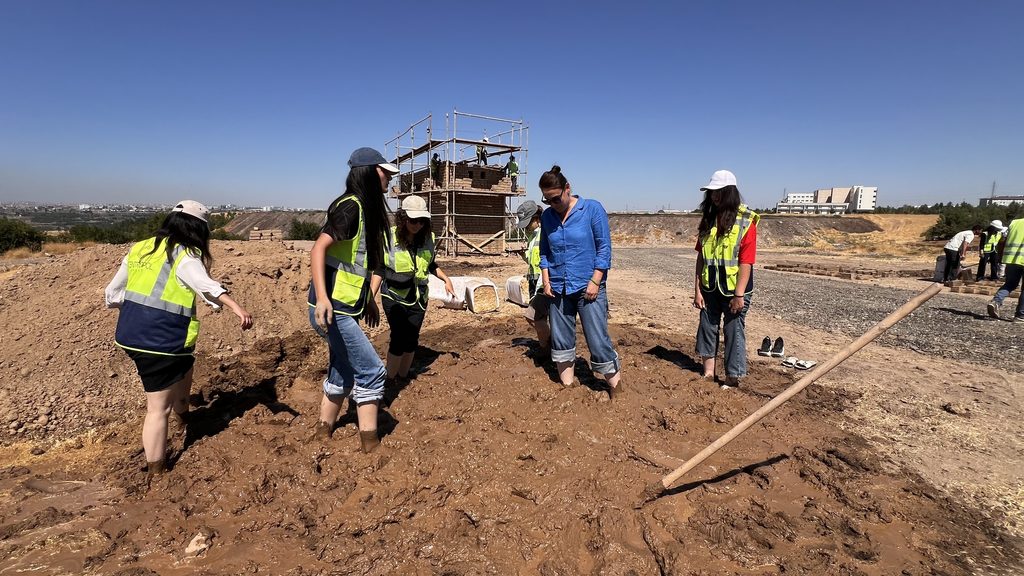
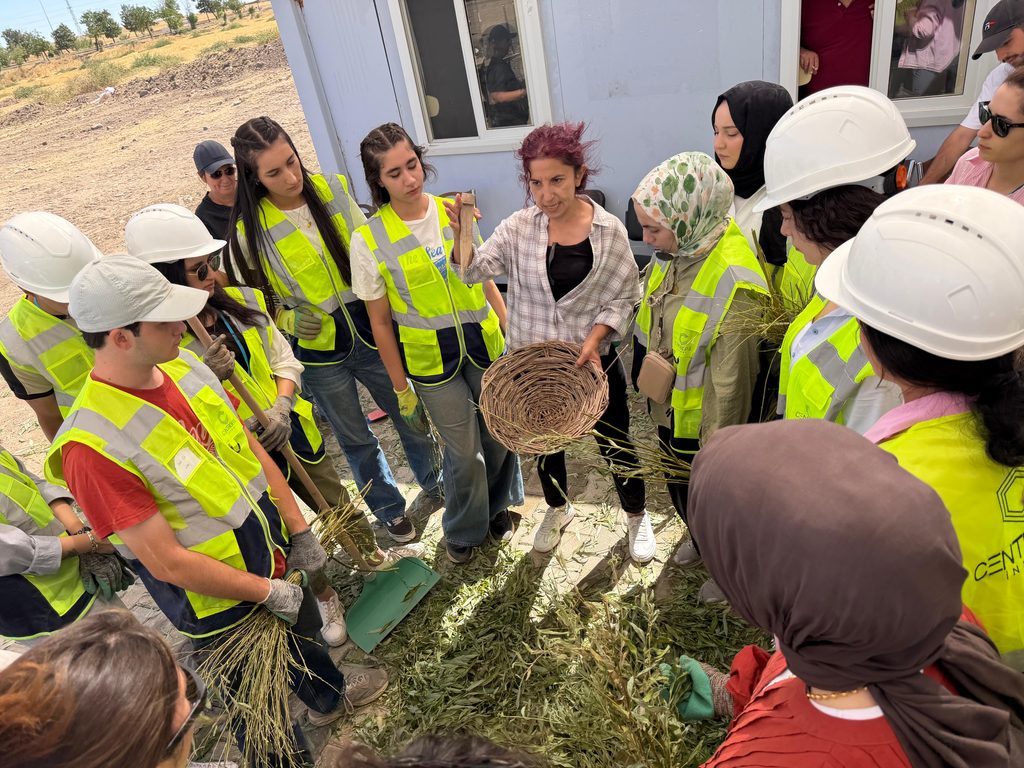
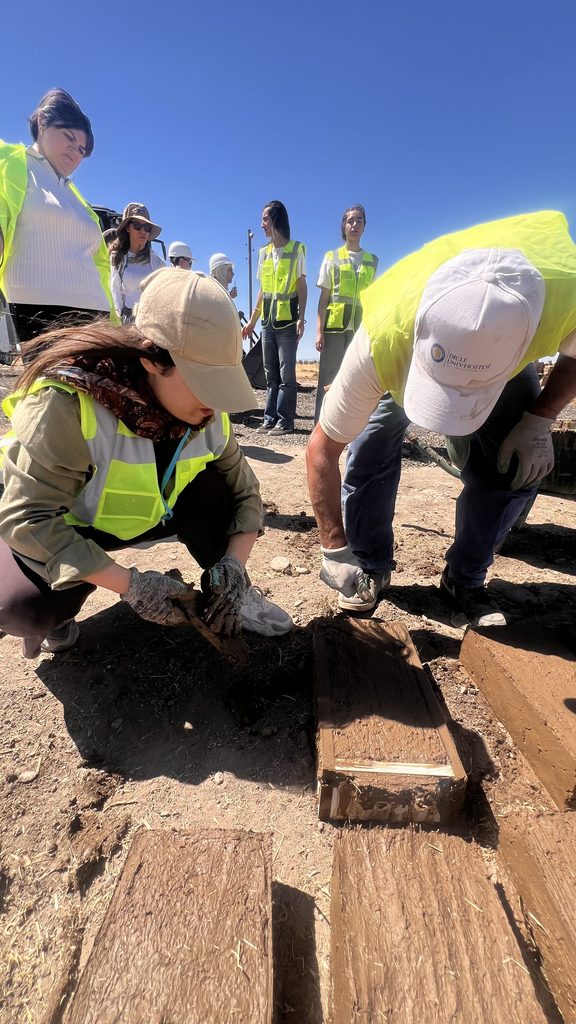
Diyarbakır’s centuries-old boranhane construction tradition provided the setting for this applied learning process. Participants engaged directly in adobe production, traditional construction techniques, the construction of internal nesting niches for pigeons, documentation, and on-site practice.
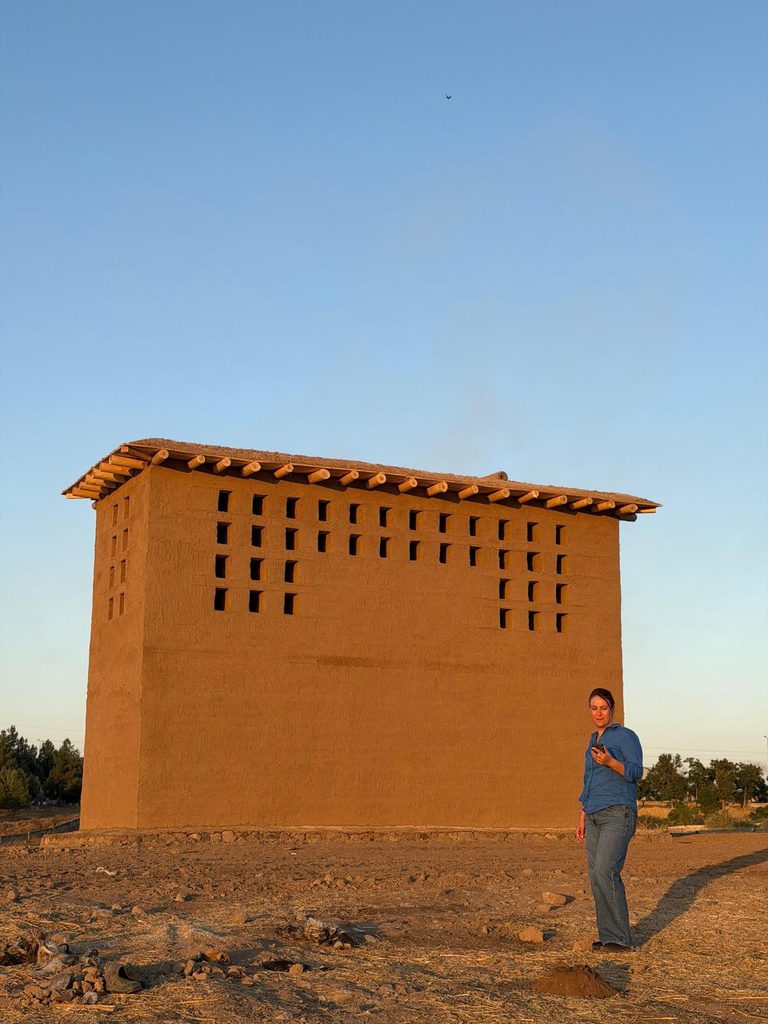
The significance of the boranhane tradition extends beyond the construction process itself. Historically, these dovecotes formed part of a broader ecological and agricultural system in which pigeon manure was used as fertiliser in the Hevsel Gardens, now part of the UNESCO World Heritage property of the Diyarbakır Fortress and Hevsel Gardens Cultural Landscape.
By bringing local craftsmanship into dialogue with academic education, the summer school strengthened the continuity of both tangible and intangible cultural heritage. It highlighted how knowledge embedded in traditional construction practices can be understood not only as cultural heritage to be safeguarded but also as a valuable resource for supporting communities, cultural landscapes, and built environments during long-term post-earthquake recovery.
The programme was coordinated by Prof.Dr. Neslihan Dalkılıç, Prof. Dr. Ayhan Bekleyen, Dr. Ruşen Ergün, Şule Ergün, Rukiye Kaya and Heval Aydın Tetik of Dicle University, together with Prof.Dr. Zeynep Gül Ünal and Dr. Zeynep Ece Atabay of Yıldız Technical University and ICOMOS ICORP. The academic programme was enriched by seminars and professional contributions from academics and specialists affiliated with Dicle University, Yıldız Technical University, ICOMOS Türkiye, the ICOMOS International Committee on Risk Preparedness (ICORP), and the ICOMOS International Scientific Committee on the Conservation of Earthen Architectural Heritage (ISCEAH). Contributors included Özgür Akkoyun, Ayhan Bekleyen, Claudia Cancino, Neslihan Dalkılıç, Dilek Ekşi Akbulut, Koray Güler, Anıl İnal, Recep Karakaş, Beyhan Karakuş Yet, Merve Kasapoğlu, Halim Karaşin, Rukiye Kaya, Adnan Nakiboğlu, Betül Selçuk, Mehmet Ünal, Zeynep Gül Ünal, and Uzay Yergün.